Costa Rican Wildlife in Folk Art: Toucans, Frogs, Hummingbirds and Quetzals
Four animals show up again and again in Costa Rican folk art. This guide explains why, and what each one represents.
Why these four animals
Costa Rica holds a disproportionate amount of biodiversity for its size: it's home to roughly 5% of the planet's species on just 0.03% of its land area. Out of that huge variety, four animals became visual symbols of the country in folk art: the toucan, the red-eyed tree frog, the hummingbird and the resplendent quetzal. That's not a coincidence — all four are easy to recognize at a distance by their silhouette or color, which makes them ideal to carve or paint in a way anyone can identify instantly.
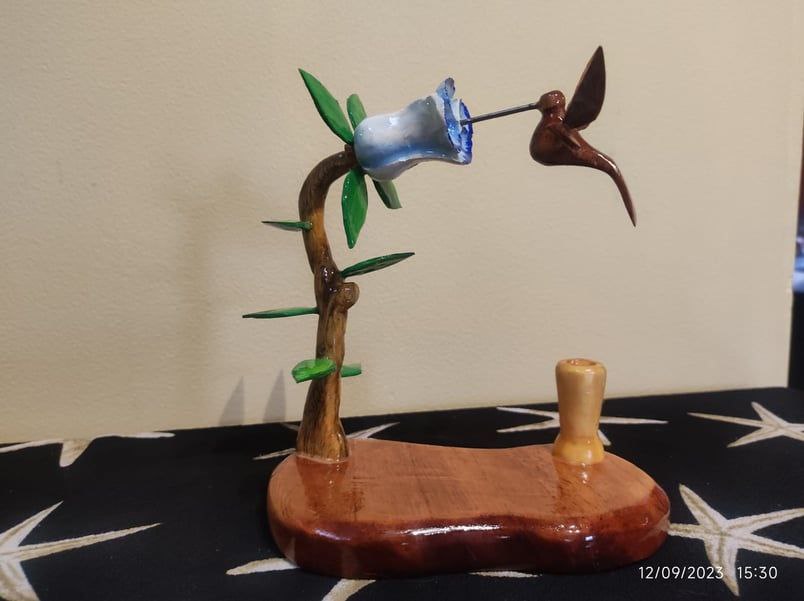
Each one also carries a specific cultural weight: the quetzal is a historic symbol of freedom across several Mesoamerican cultures and today is one of the most sought-after birds for watchers in Costa Rica's mountains; the toucan is probably the animal most internationally associated with tropical rainforest; the red-eyed tree frog is almost an unofficial icon of Costa Rican tourism; and the hummingbird represents the country's huge diversity of pollinators, with more than 50 recorded species.
How each figure is carved or painted
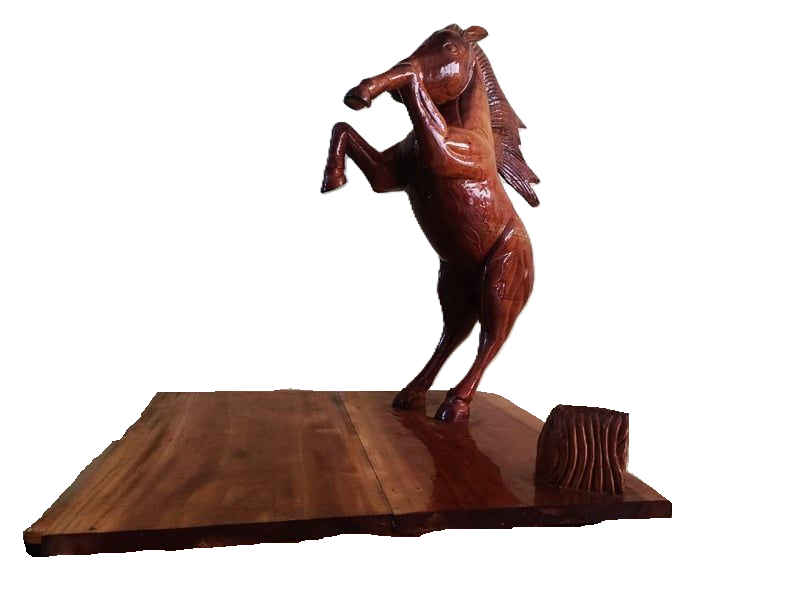
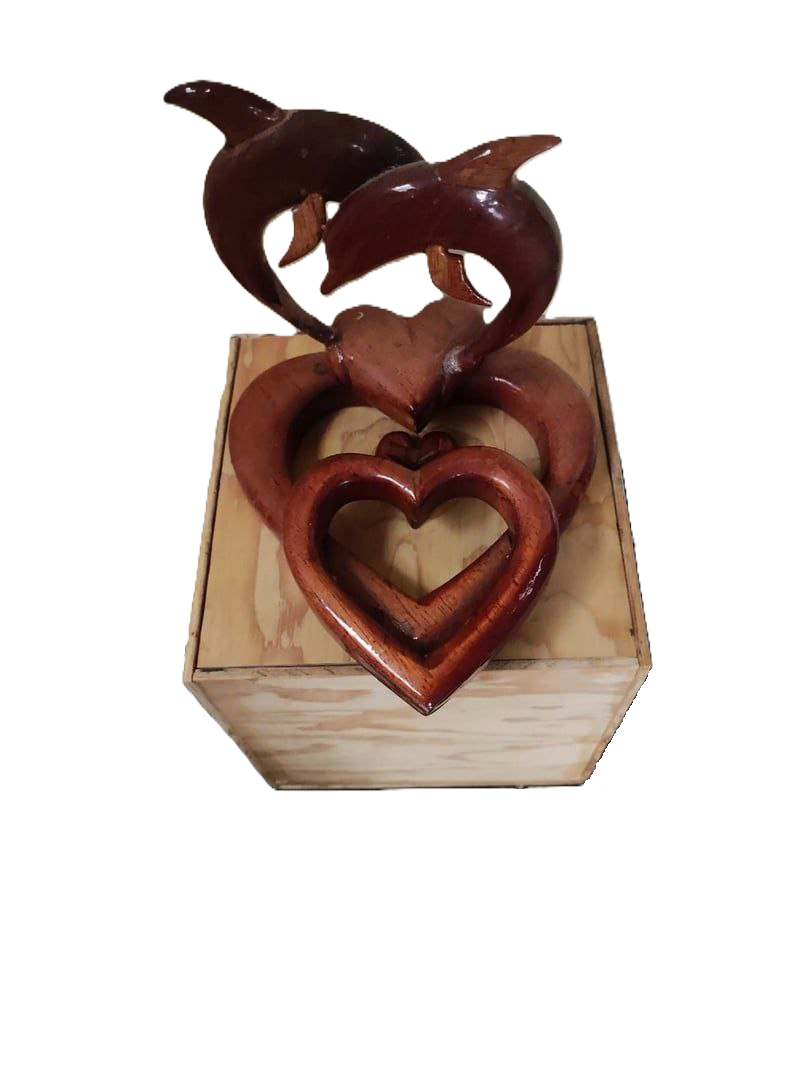
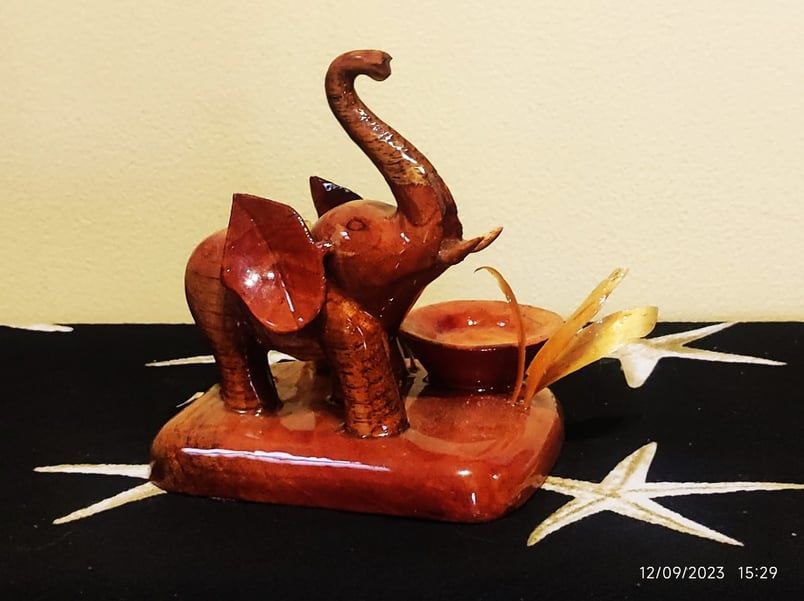
In wood, the toucan and the quetzal are usually carved in relief or as a full three-dimensional figure, because their plumage allows for layers and textures that read well in wood. The red-eyed tree frog, on the other hand, lends itself more to small, painted pieces, where color — bright green with red eyes and orange feet — communicates more than the carved texture does. The hummingbird, given its actual small size, often shows up in delicate pieces like mirror details or desk sculptures.
The process always starts the same way: the artisan chooses the wood block based on grain and figure size, sketches a pencil guide, and carves from general to specific — first the full silhouette, then details like feathers or skin pattern. The final varnish protects the piece and, on painted carvings, locks in the color so it doesn't dull over time.
Where to find these pieces in our catalog
Wood sculptures are the category where these four animals show up most, either as a single desk or shelf piece, or as part of a themed collection. They also appear as a carved motif on some mirror frames and in wall décor pieces, for anyone who prefers a larger, more visible format.
Exact availability of each animal varies with the workshop's active collection, so if you're looking for a specific figure — say, a quetzal as a gift — we recommend checking the sculptures category directly or reaching out to ask about availability and production time for a custom commission.
How to tell if an animal carving is authentic
A hand-carved figure almost always shows small irregularities: one wing slightly different from the other, fine gouge marks visible up close, the real heft of solid wood in your hand. A figure molded from resin or mass-produced tends to be too symmetrical and perfect, and weighs less than it looks like it should because it isn't solid wood.
If you're interested in a particular figure, check the material listed on the product page, and if you have doubts, reach out directly — we can confirm the piece's exact origin and, if you'd like, the name of the artisan who carved it as part of the program in San Isidro de Coronado, San José.
Another useful sign: an authentic carving usually keeps some of the natural scent of freshly worked wood for the first few weeks, something a resin or painted-plastic piece never has. If you get the chance to smell it up close before buying, it's a quick, simple way to confirm you're looking at real wood.
Whichever animal you choose, an authentic carving will always have something a mass-produced replica never can: the real, human time one person spent on that specific piece.