Chorreador vs. French Press vs. V60: Which Should You Choose?
Three methods, three different results in the cup. This comparison helps you decide which fits your routine.
How each method works
The chorreador uses a cloth sock that acts as a reusable filter: hot water passes through the ground coffee and drips straight into the cup, no paper filter involved. The French press submerges the grounds in hot water for a few minutes, then separates the solids with a metal plunger that pushes a mesh screen to the bottom. The V60 uses a conical paper filter and a controlled spiral pour, designed for a cleaner, more precise extraction.
All three start from the same idea — hot water meeting ground coffee — but they differ in filter material (cloth, metal or paper) and contact time, and that's what most defines the final result in the cup.
Flavor, body and upkeep
The chorreador produces a medium-bodied coffee with a slightly rounder texture than the V60, because the cloth lets through some of the coffee's natural oils that a paper filter would trap. The French press produces the most full-bodied cup of the three, with more oils and some sediment, ideal for anyone who likes an intense coffee. The V60 gives the cleanest cup with the most defined acidity notes, since the paper filters out nearly all oils and fine particles.
In terms of upkeep, the French press and the V60 are simpler to clean (glass or ceramic, plus a disposable paper filter), while the chorreador requires washing and drying the cloth sock after every use to avoid odor. In exchange, the sock doesn't create disposable waste the way the V60's paper filter does.
Which one fits your routine?
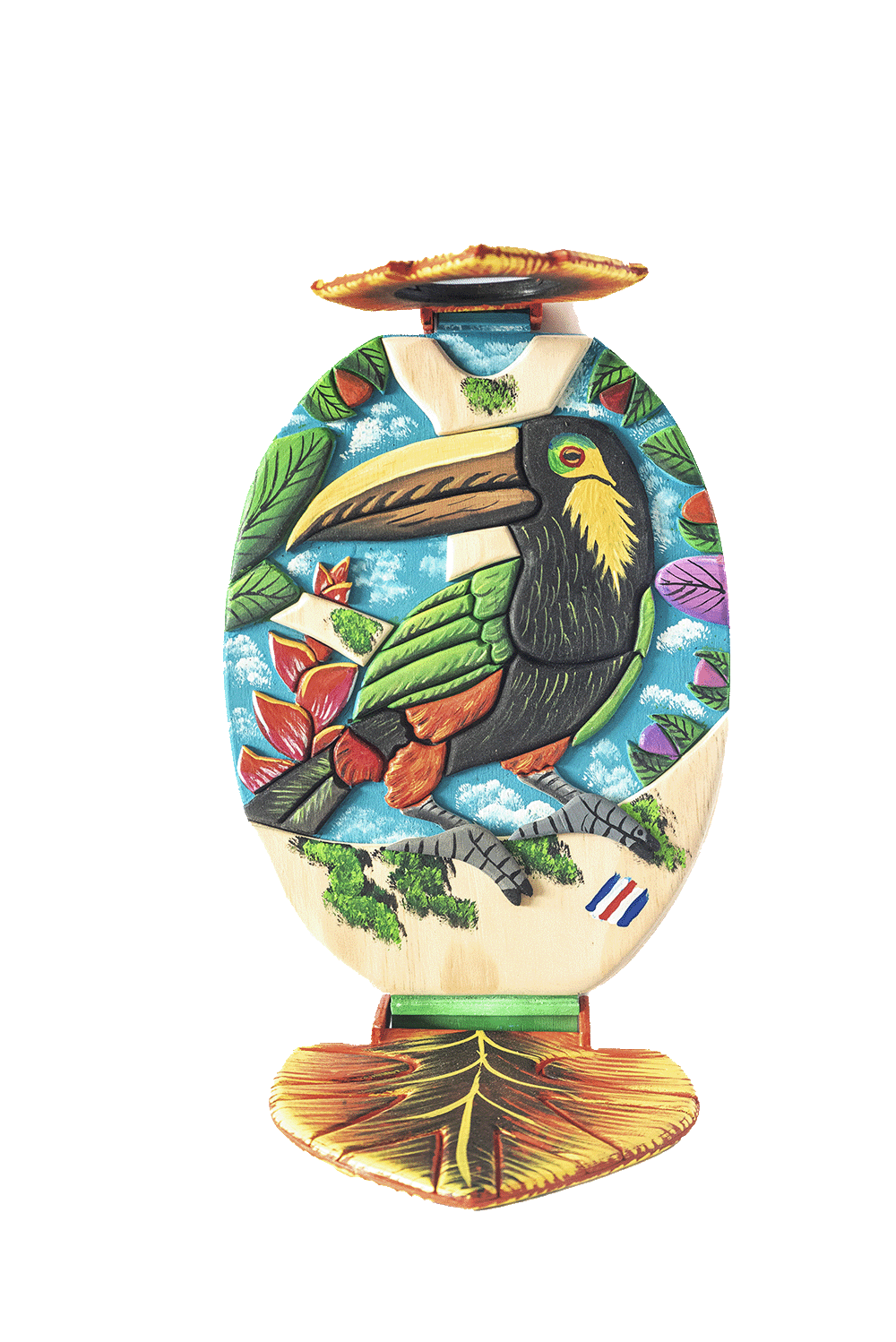
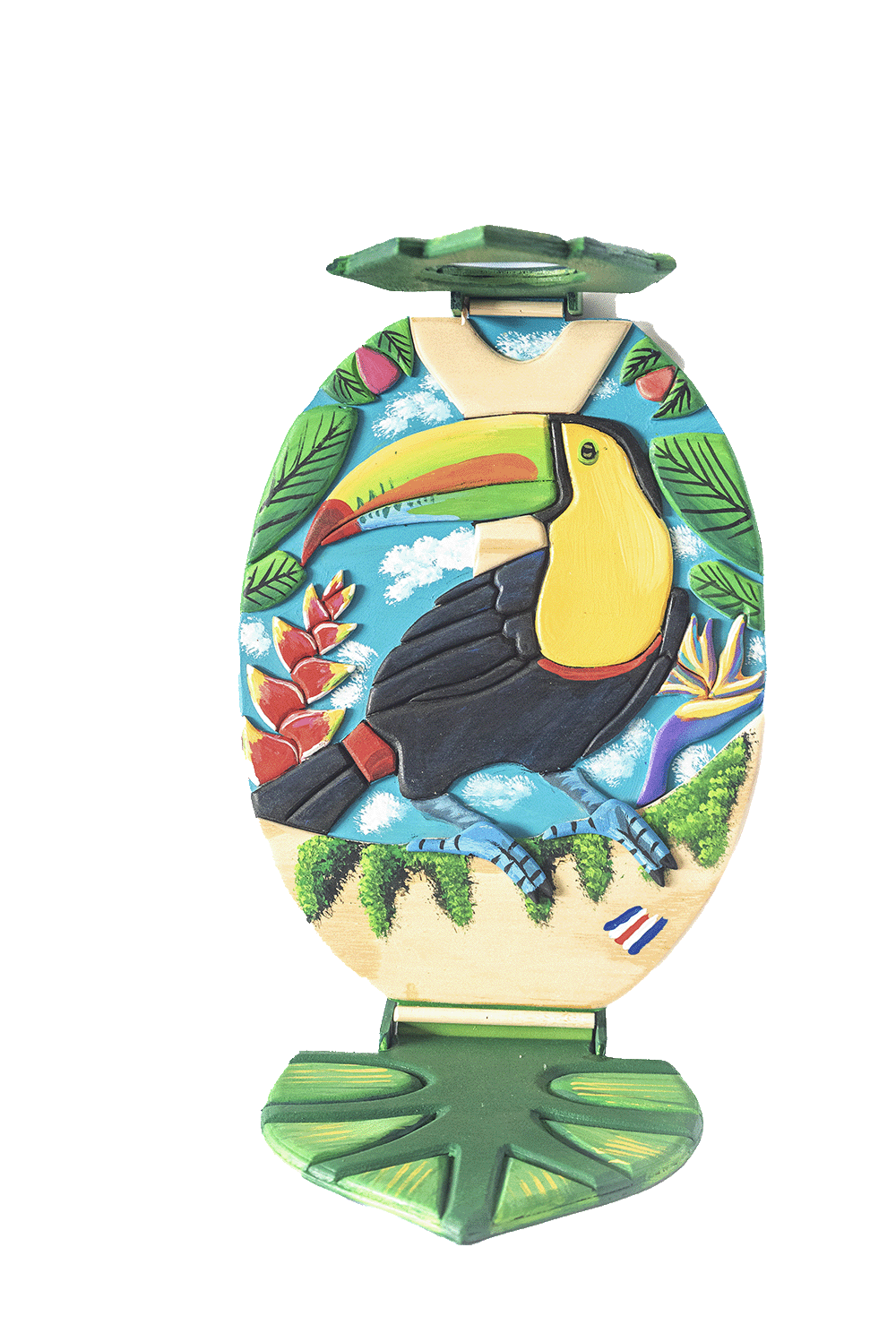
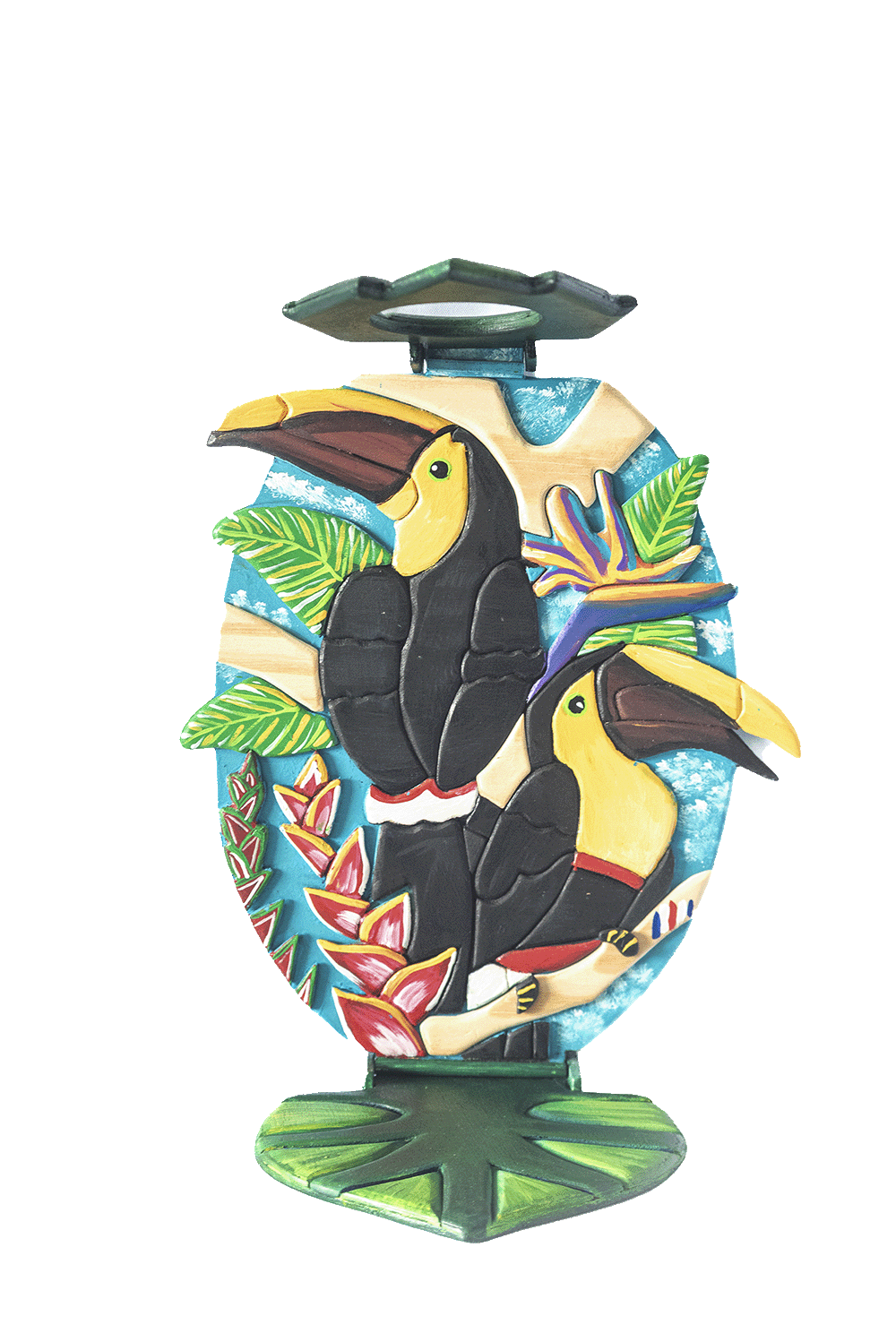
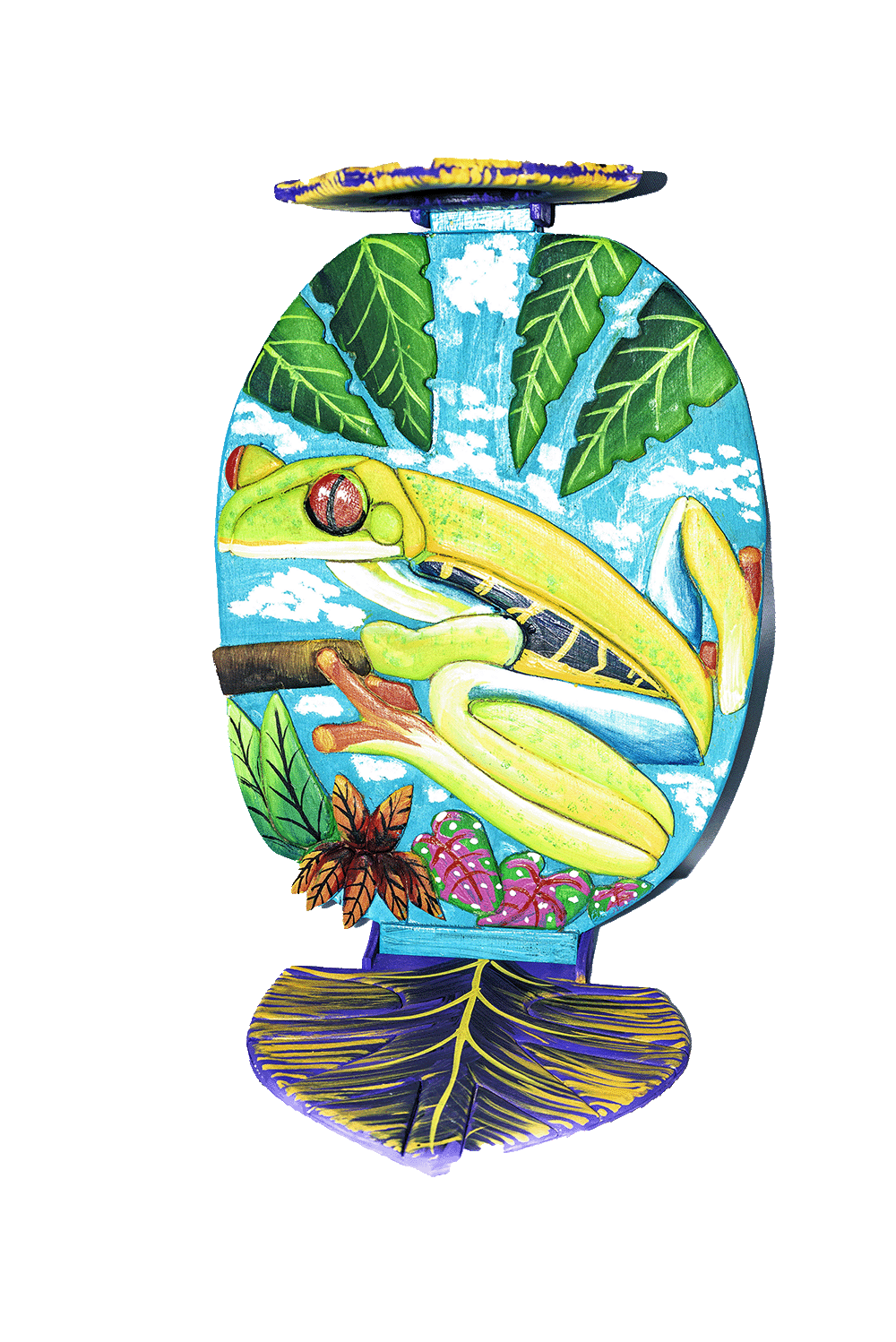
If you value tradition, a medium-bodied cup, and a piece that also works as a decorative object in the kitchen, the wooden chorreador is the most complete option: it needs no electricity, produces no filter waste, and carries a real cultural history behind it. If you prefer a bolder coffee and don't mind a bit of sediment, the French press is the better fit. If you want precision and a cleaner cup, and don't mind buying paper filters regularly, the V60 is the most technical of the three.
For someone just starting to explore manual coffee brewing, the chorreador has the gentlest learning curve: it doesn't demand the precise pour technique the V60 does, nor the exact steep time a French press requires.
Total cost and environmental footprint
In the long run, the chorreador and the French press end up cheaper because neither depends on a consumable you have to keep buying. The V60 requires paper filters on an ongoing basis — a small cost per unit, but one that adds up with daily use over the years, on top of generating waste after every single cup.
Environmentally, the chorreador's cloth sock and the French press's metal mesh get reused hundreds of times before needing replacement, while each V60 paper filter is used only once. For anyone factoring waste into their buying decisions, the chorreador is the option with the smallest footprint per cup over time.
One more point in the chorreador's favor: the wooden stand itself doesn't wear out with normal use, so the only real consumable is the cloth sock, replaced every few months. With a French press's glass carafe the risk is accidental breakage, while a wooden chorreador tolerates a bump or a drop far better without cracking.
None of the three methods is objectively "the best" — each solves a different need, and plenty of coffee lovers end up keeping all three in the kitchen, reaching for whichever fits the time of day or the mood. If you only have room for one, the chorreador is the most versatile starting point, since it also works fine for a quick single cup or a small pitcher for guests.