What a Social Reintegration Program Is and Why Your Purchase Matters
Behind every piece in this catalog is a real social reintegration process. Here's what that actually means in practice.
Behind every piece in this catalog is a real social reintegration process. Here's what that actually means in practice.
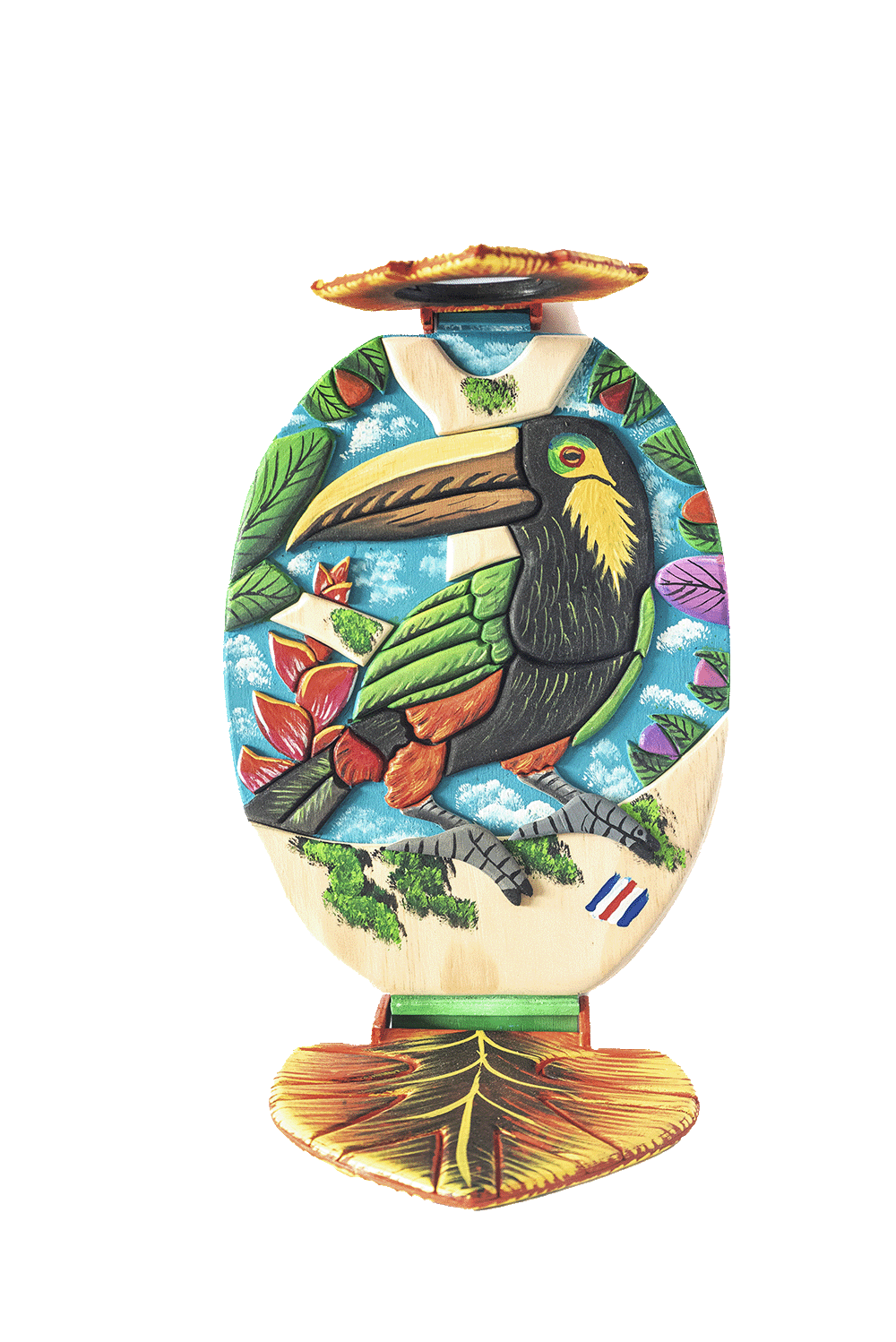
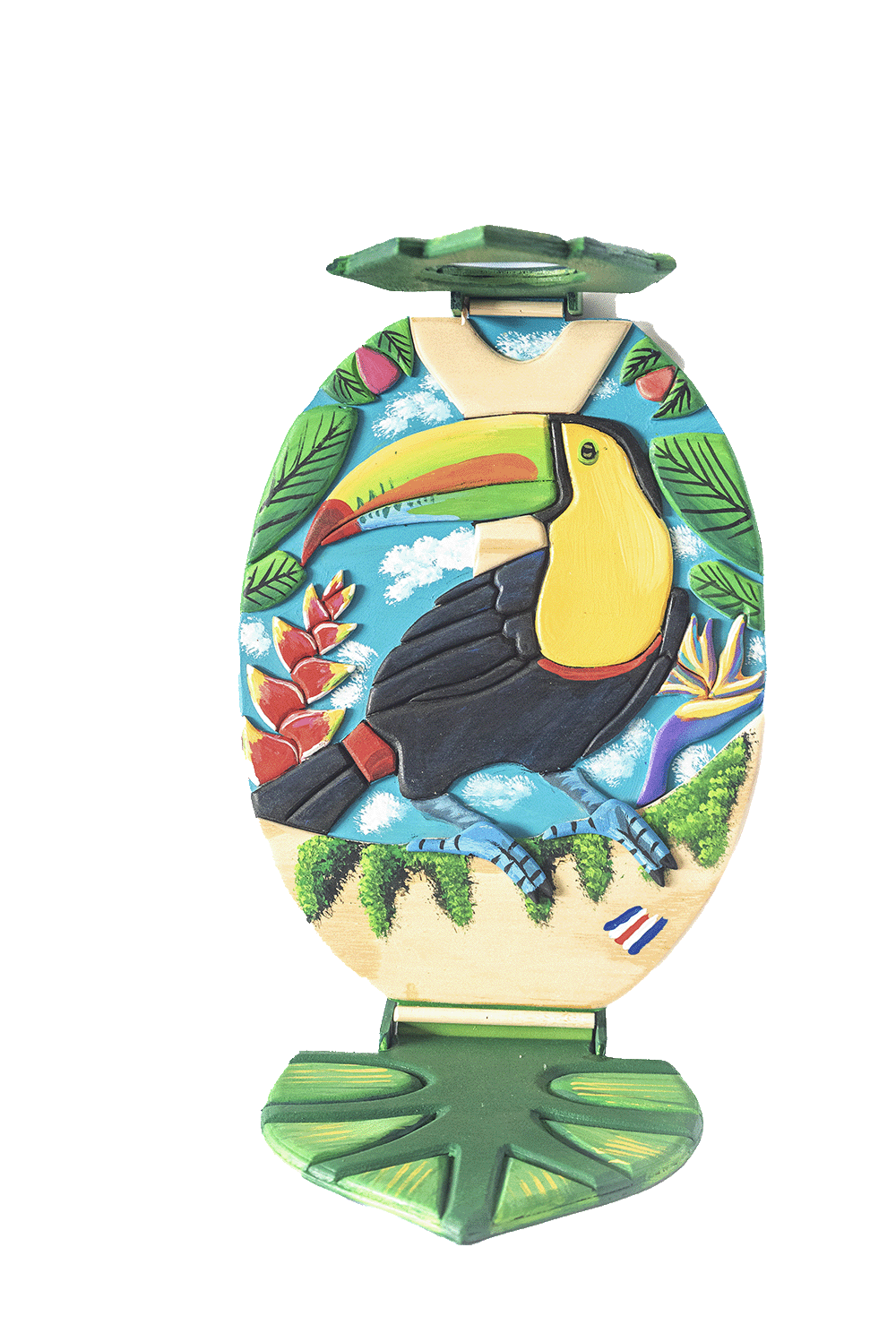
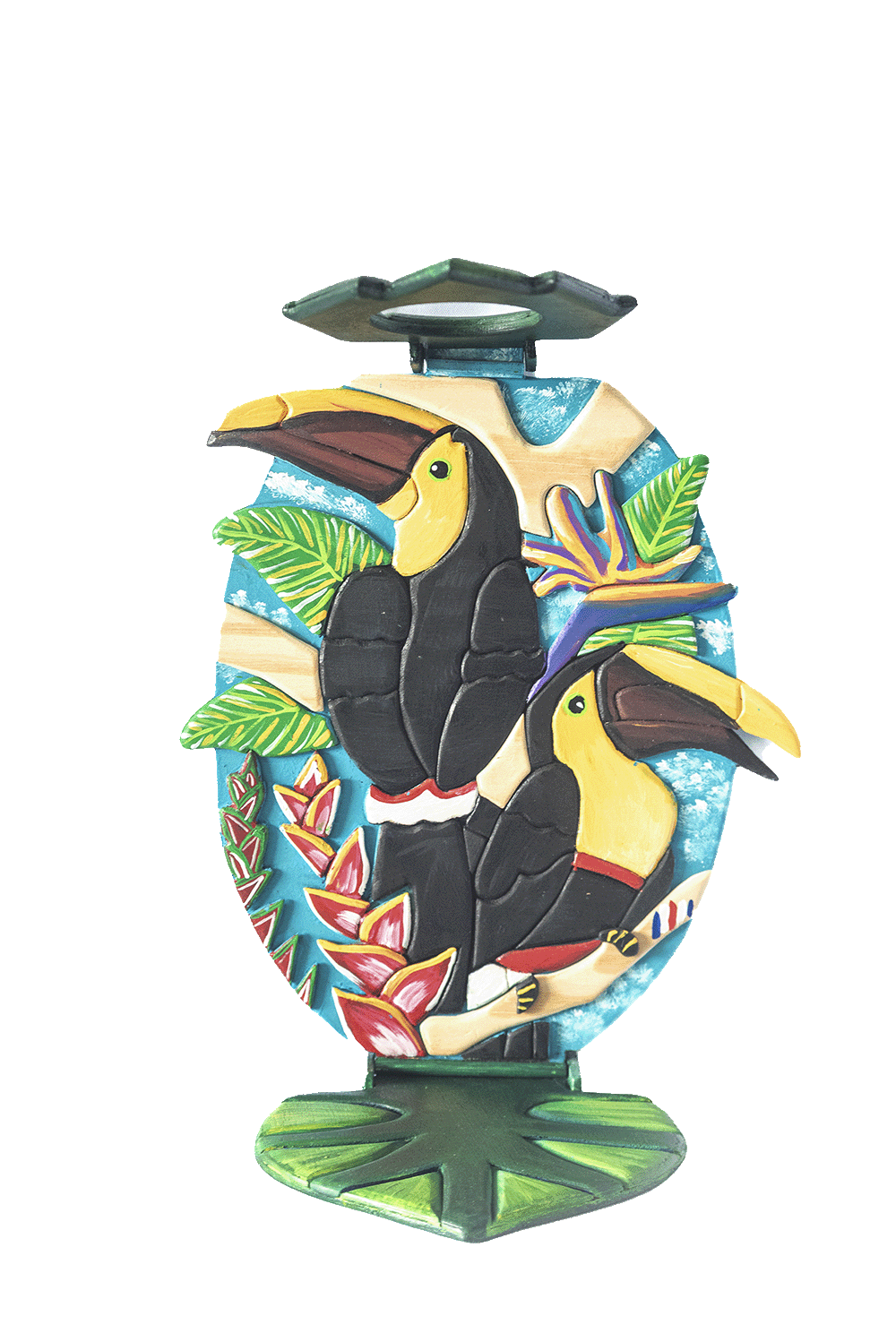
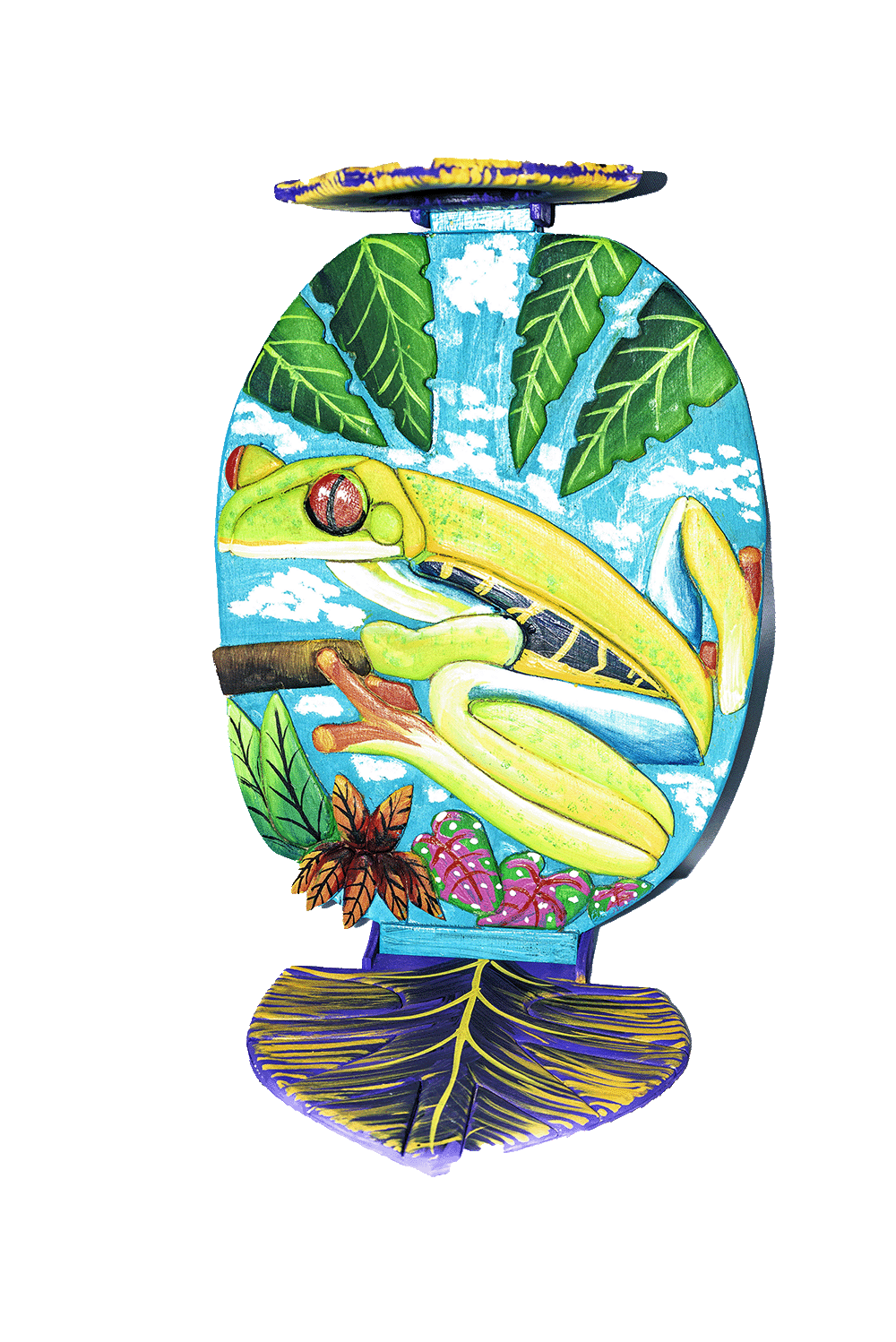
A social reintegration program helps someone who has been incarcerated or in a situation of social vulnerability rebuild a stable life through work. In practice, that means learning a trade — in this case, wood carving and hand-painting — inside a structured workshop, with schedules, production goals and ongoing support.
The trade itself isn't incidental: specialized manual work, like carving a mirror or hand-painting a mug, gives the person a concrete, transferable skill — something they can keep using to earn income long after the program ends. It's different from an untrained temporary job: it's a real trade with market demand.
The workshop that produces every piece in this catalog is in San Isidro de Coronado, San José, an area with a long tradition of coffee farming and woodworking. There, artisans receive the wood — mainly cedar — and hand-transform it into coffee drippers, mirrors, sculptures and every other category in the catalog, following a process that runs from initial carving to final varnishing.
This isn't a symbolic workshop or charity disguised as commerce — each piece sells at market price because of its quality and design. The difference is that instead of the profit going to a middleman or a factory, it directly sustains the artisan's work and the program's continuity.
Buying a piece from this catalog isn't a donation — it's a regular purchase of a quality product that also happens to have a direct, measurable effect. Every sale translates into paid work for an artisan in a reintegration process, which lowers the likelihood of reoffending and strengthens their economic and family stability.
If you want to go deeper into the program — how it works, who takes part, and what happens after someone completes their process — we have a dedicated page with more detail on the project's social impact. Every purchase you make through this site contributes directly to that mission.
The underlying goal of a social reintegration program isn't just temporary employment — it's reducing reoffending and building long-term stability. An artisan who learns a paid trade, keeps a schedule, and sees the tangible result of their work — a piece sold, a satisfied customer — has a much stronger foundation for staying out of a cycle of social vulnerability than someone without that structure.
This also benefits the artisan's family: a steady income and a transferable skill mean more economic independence today and more options down the road, even after the formal program ends. That's why every repeat purchase matters as much as the first one — it sustains the work over time, not just in a single moment.
Telling this story also has a multiplying effect: when someone receives a coffee dripper or a carved mirror as a gift and knows where it came from, they're more likely to buy again or recommend the catalog to someone else. That word of mouth, backed by genuinely good products, is one of the most effective ways to keep the program running over the long term.
If this guide helped you understand the project better, the most direct way to support it is still the simplest one: buy a piece when you need one, instead of defaulting to a mass-produced alternative. It doesn't take a grand gesture — a regular purchase, made with that context in mind, is already enough.
And if you know someone who collects souvenirs or loves coffee, sharing this story along with the gift usually means more than anything we could put on a product page ourselves. It's a small effort that turns a purchase into something the recipient actually remembers long after the object itself gets used.
The program pays artisans for their work as part of their reintegration process; sales sustain that operation on an ongoing basis.
Reach out through the site's contact channels to ask about visit availability.
We have a dedicated social-impact page with more detail on the program and how it runs.