Authentic Handmade Costa Rican Souvenirs (Not Imported)
The difference between a souvenir handmade in Costa Rica and an imported one isn't always obvious. This guide helps you tell them apart.
The problem with imported souvenirs
A significant share of what's sold as a "Costa Rican souvenir" in tourist areas is actually mass-produced outside the country, with only a sticker or a flag magnet added on top. It's hard to spot at a glance — the packaging and the low price are the main clues. A generic fridge magnet or a plastic bracelet printed with "Costa Rica" is almost never made locally.
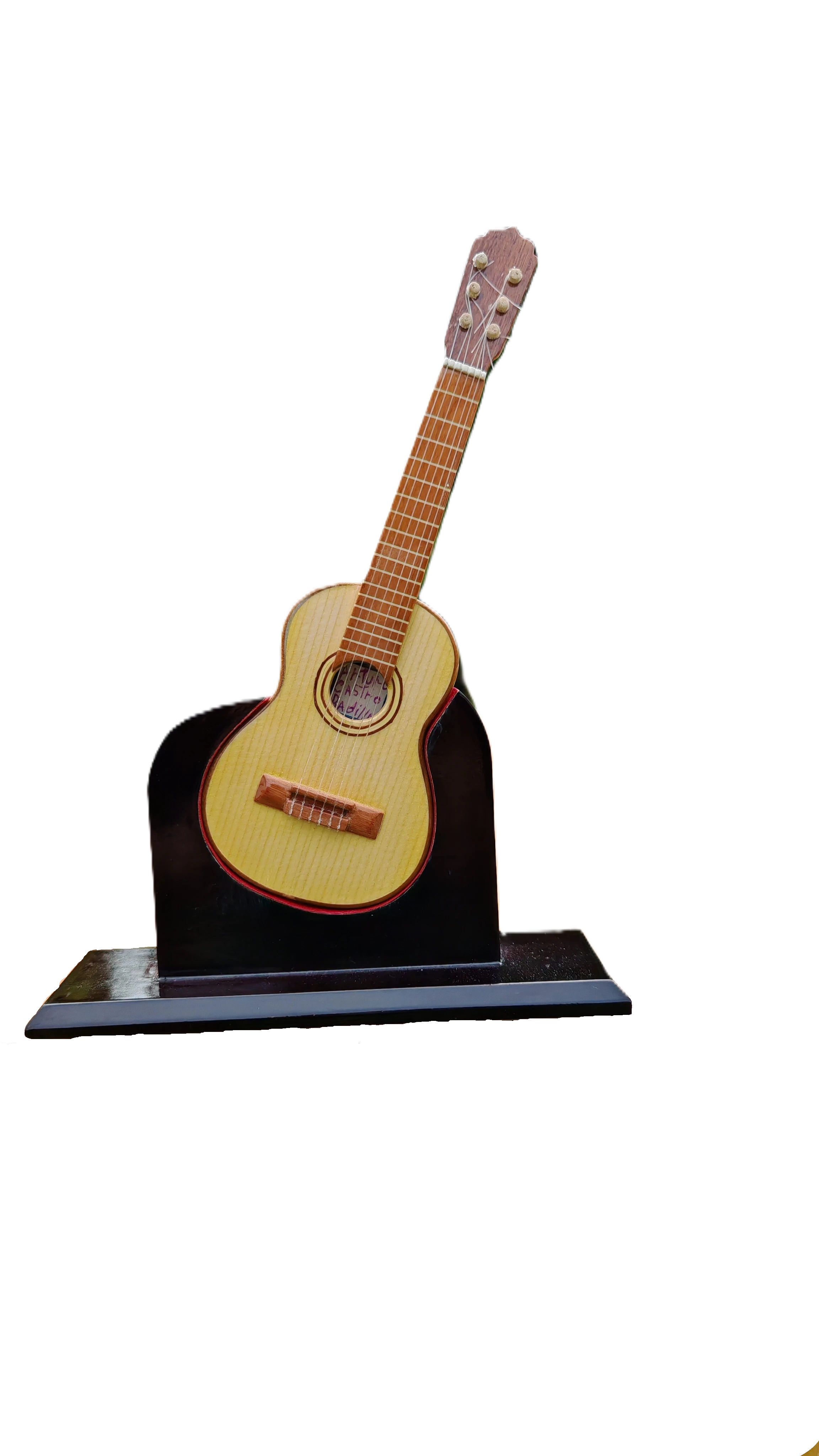
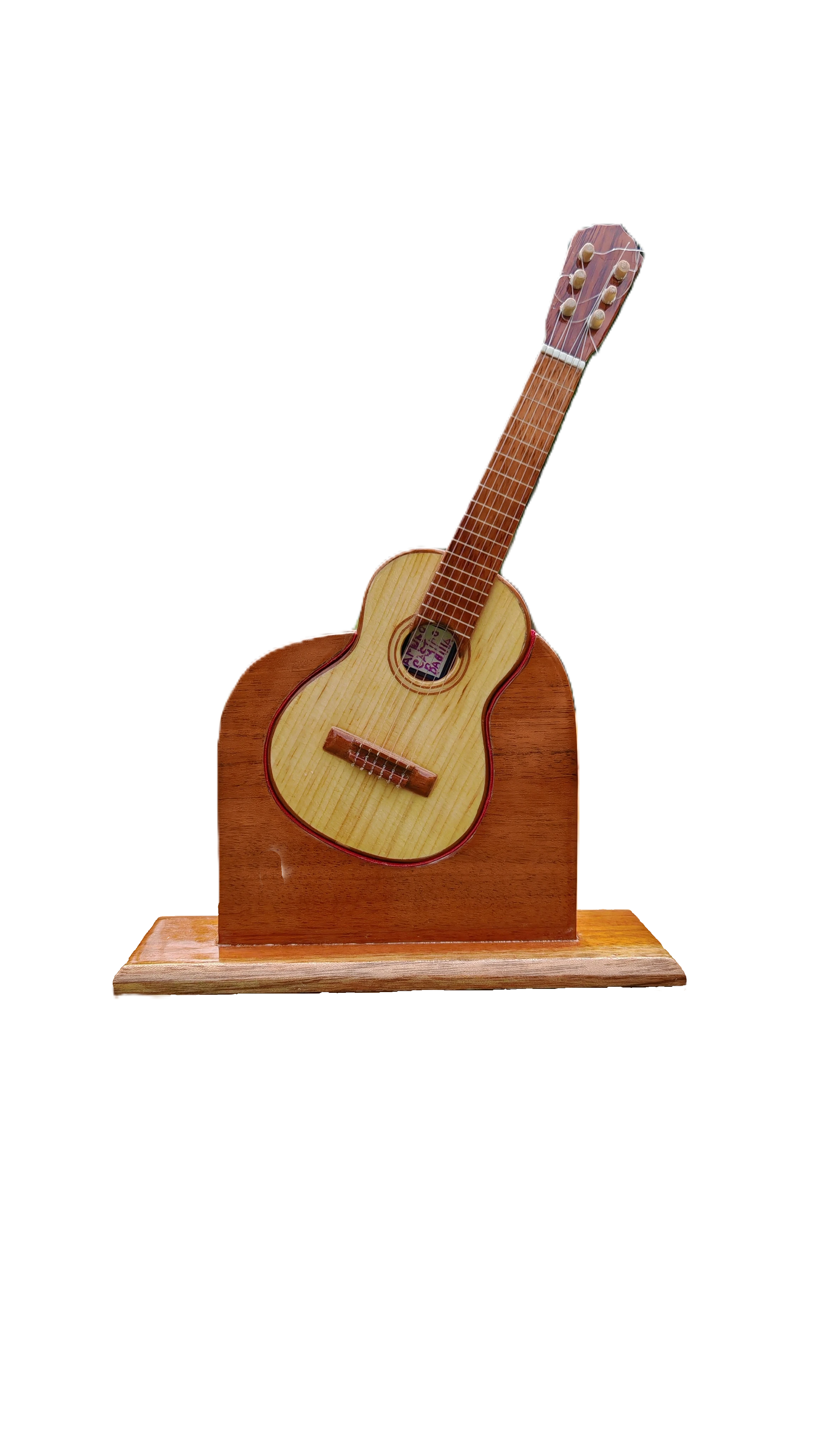
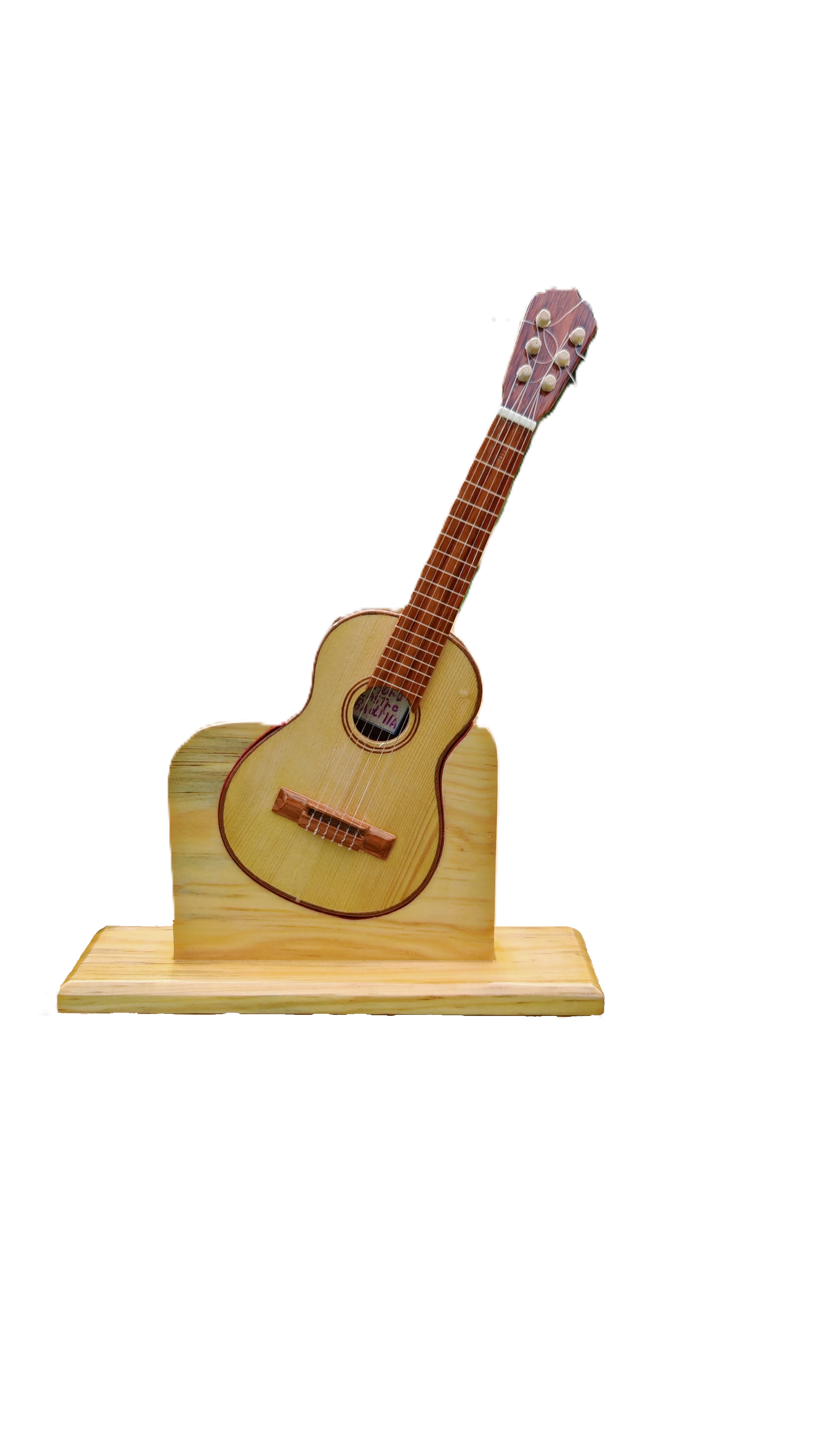
The most reliable way to know a piece is genuinely handmade is that it shows visible variation between units: different wood grain, slight differences in the carving or the brushwork. If two "artisan" pieces on a shelf are perfectly identical, they probably came from an industrial mold, not an artisan's hands.
What to ask before buying a souvenir
Three simple questions filter out most imported pieces: what material is it made of, where was it made, and who made it? A seller who can answer in detail — the type of wood, the town or workshop of origin, even the artisan's name — is almost always selling something real. A vague answer, or a seller who doesn't know, is a red flag.
It also helps to weigh the price against the visible amount of work in the piece: a detailed carving in solid wood can't cost the same as a machine-made equivalent, so a price that's too low for the level of detail usually signals it isn't handmade.
Souvenirs that really are 100% made in Costa Rica
In our catalog, every piece — from a coffee dripper to a hand-painted enamel mug — is produced in the workshop in San Isidro de Coronado, San José, by artisans in the social reintegration program. That means real traceability: we know who made each piece and how, something no imported souvenir can offer.
For someone visiting the country, or for sending a genuine keepsake to someone else, wooden coffee drippers and hand-painted mugs are the easiest to transport and the most representative of Costa Rican coffee culture. All of them can ship directly anywhere in the world, no suitcase required.
What to avoid when buying in tourist areas
Some stalls in heavily touristed areas mix genuine local pieces with imported products on the same shelf without distinguishing them, making it easy to walk away with something that isn't what it seems. Be especially wary of shops where the entire inventory shows the same level of industrial "perfection," with no variation between pieces of the same design.
Buying directly from the workshop, or from a site that clearly shows each piece's origin — like this catalog, where every product is made in San Isidro de Coronado, San José — removes that uncertainty. You can order ahead of time and have the piece delivered to your home or hotel before you fly back, instead of hoping to find it at the airport at the last minute.
Keep the receipt or order confirmation email: if you ever need to explain where the piece came from — to customs, to a shipping insurer, or simply to the person you're gifting it to — having that on hand removes any doubt and confirms it's a genuine handmade piece with a verifiable origin.
In the end, the best guarantee of authenticity isn't a stamp or a tag — it's the ability to trace the piece back to a real workshop and a real artisan. That's exactly what we aim to offer with every product in this catalog, so a Costa Rican souvenir keeps being an object with a story years after the purchase.
Next time you're shopping for a travel keepsake anywhere, ask those same three questions before you pay: material, origin, and who made it. It's a quick filter that works in any country, not just Costa Rica, and it takes less time than deciding which shelf to display the souvenir on once you get home.